
Table of Contents
ToggleTable of Contents
Introduction
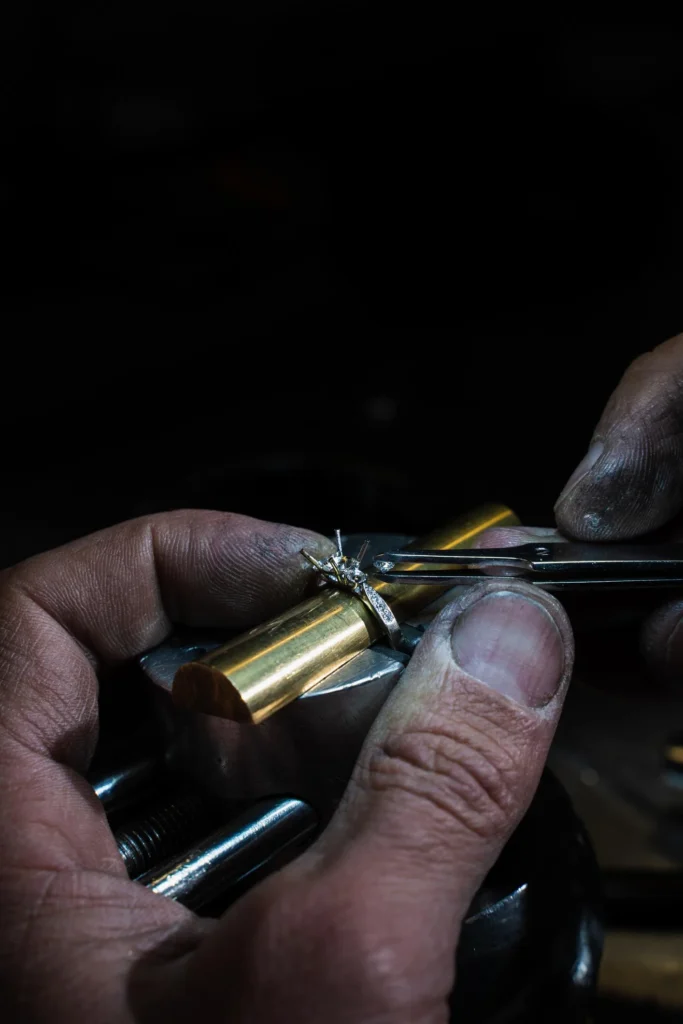
When someone looks at a diamond ring, the first thing that catches their eye is the sparkle. But what most people don’t notice is the hard work behind that shine. Every beautiful piece is the result of careful planning, skilled hands, and precise setting techniques that keep the diamond safe and perfectly positioned.
That’s where lab grown diamond jewellery manufacturers make all the difference. The way a diamond is set affects more than just its appearance. It decides how secure the stone is, how comfortable the jewellery feels, and how well it holds up over time.
If you’re new to this space, thinking about buying diamond jewellery, or simply curious about how modern pieces are crafted, this guide will walk you through the real techniques and quality standards professionals follow today.
Understanding Lab Grown Diamonds Before Exploring Settings
Before we talk about different setting styles, it’s important to first understand what makes these diamonds special and why skilled craftsmanship plays such a big role in their final look and durability.
What Are Lab Grown Diamonds?
Lab-created diamonds are real diamonds. The only difference is that they are grown in a controlled environment using advanced technology instead of being mined from the earth. They are just like real diamonds in terms of their chemical structure, strength, and shine. The main distinction is simply where they come from.
Since these diamonds have the same structure and hardness as mined ones, they need the same level of care and precision when being set into rings, earrings, pendants, or bracelets. Proper mounting is just as important to ensure beauty, security, and long-lasting wear.
Why Proper Setting Matters
A diamond can have an excellent cut and top grading, but if it isn’t set properly, it won’t look its best. The setting is what allows the diamond to shine the way it’s meant to. It directly affects how light reflects from the stone, how strong and long-lasting the jewellery will be, how comfortable it feels to wear, and how well the diamond is protected from daily bumps or accidental hits.
Experienced lab grown diamond jewellery manufacturers know that setting a diamond is not just about placing it into metal. It requires artistic skill as well as technical precision. It’s a careful balance between beauty and strength.
Why Setting Techniques Matter in Modern Jewellery
In today’s jewellery market, people look for more than just sparkle. They want pieces they can trust—jewellery that feels comfortable, stays secure, and maintains its beauty over time. This is where true expertise starts to show.
Professional lab grown diamond jewellery manufacturers blend traditional craftsmanship with modern technology to make sure every stone is properly aligned, evenly balanced, and firmly secured. Even a tiny difference—something as small as a fraction of a millimetre—can change how light passes through the diamond and affect its sparkle.
Setting a diamond is not just about fixing it into metal. It’s about:
- Maintaining strong structural support
- Maximizing the stone’s natural brilliance
- Ensuring the diamond does not shift or loosen with regular wear
This kind of careful work clearly reflects hands-on experience and deep technical understanding of jewellery manufacturing.
Popular Diamond Setting Styles Used by Experts
Prong Setting
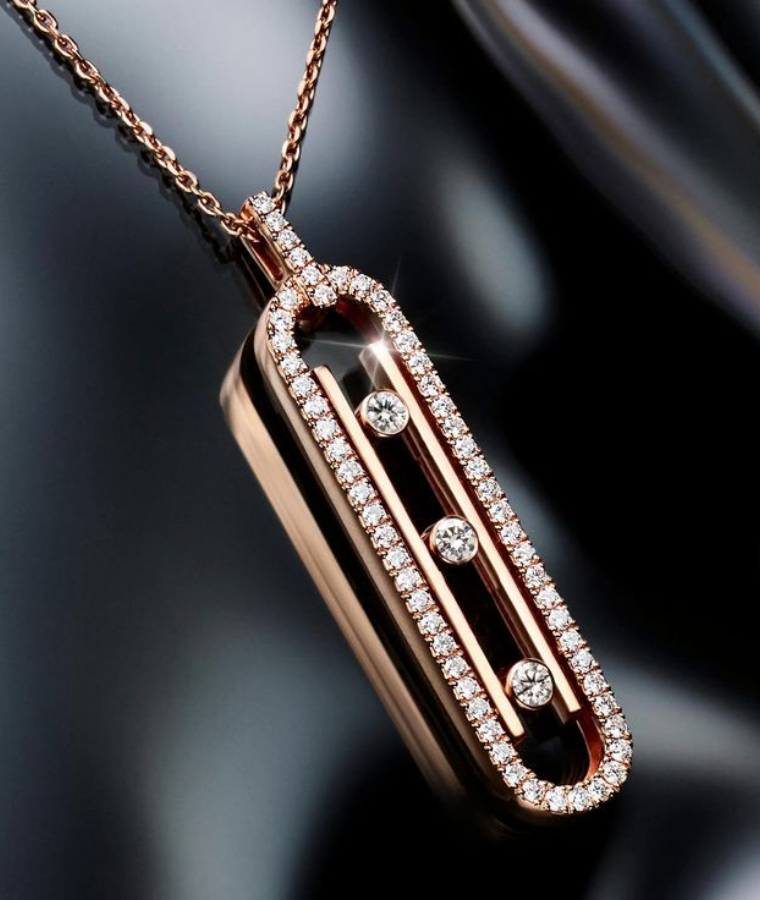
The prong setting is one of the most timeless and popular styles in diamond jewellery. In this design, small metal claws gently grip the diamond and hold it securely in place. Because much of the stone remains exposed, more light can pass through it, which helps increase its sparkle. The result is a bright, eye-catching look where the diamond almost appears to float above the band.
Bezel Setting
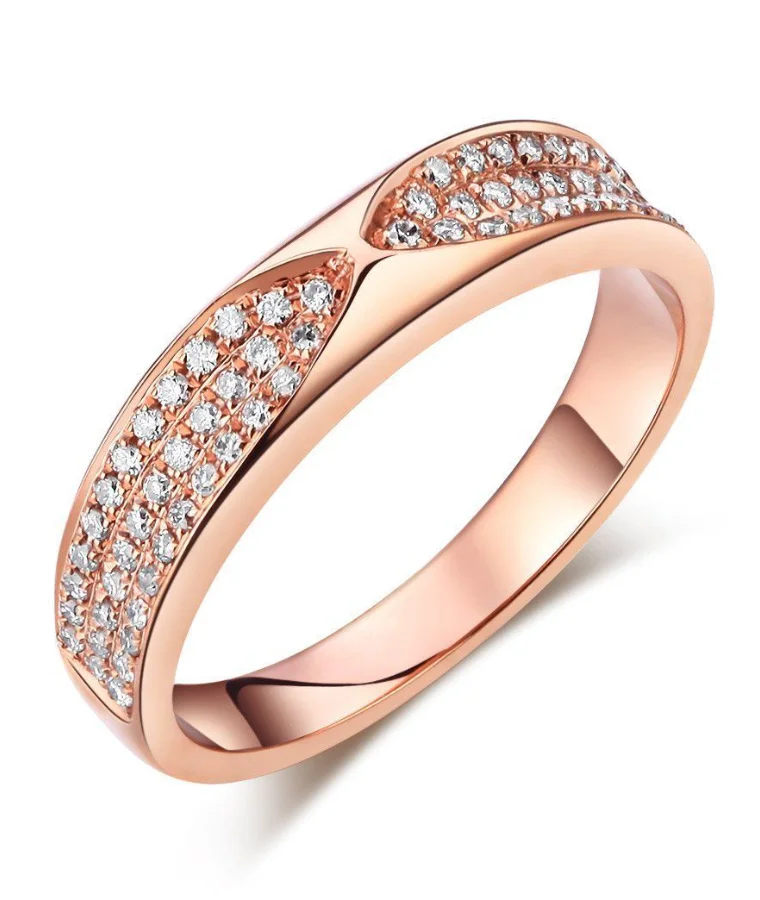
Pave Setting
Channel Setting
Halo Setting
The main diamond is placed in the centre and surrounded by smaller diamonds around it. This makes the centre stone look bigger and adds extra sparkle, giving the design more depth and presence.
Reputable lab grown diamond jewellery manufacturers know how to adjust each setting style based on the size of the stone, the type of metal used, and the overall design idea. Their experience helps ensure the final piece looks balanced and beautifully finished.
Advanced Techniques Used in Professional Manufacturing
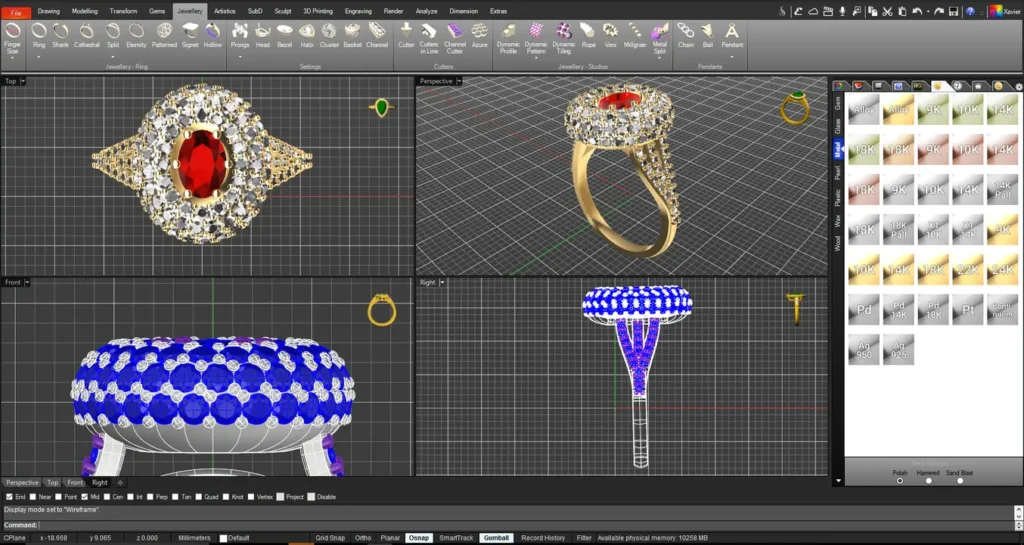
CAD-Based Design Precision
Micro-Setting Techniques
Laser Technology in Stone Setting
Multi-Level Quality Checks
Professional jewellery workshops don’t rely on just one check. They inspect the piece at different stages of production to make sure each stone is properly aligned and firmly secured.
Trusted lab grown diamond jewellery manufacturers combine advanced technology with skilled craftsmanship to ensure every piece maintains the same level of quality and consistency.
Craftsmanship Standards That Define Expertise
In jewellery manufacturing, real experience makes a big difference. Skilled craftsmen know how different metals react during setting and finishing, and they understand how each diamond cut reflects light. This knowledge helps them create pieces that are not only secure but also beautifully balanced and bright.
Some critical quality factors include:
- Correct prong thickness and tension
- Even stone alignment
- Balanced weight distribution
- Smooth finishing without sharp edges
These details are often invisible to customers but are essential for long-term satisfaction.
Well-known lab grown diamond jewellery manufacturers earn their reputation by focusing on accuracy, strength, and consistent quality—not just on how the jewellery looks. For them, long-lasting performance matters just as much as visual appeal.
Choosing the Right Setting for Different Jewellery Types
Rings
Earrings
Pendants
Bracelets
Bracelets need both flexibility and strength. The setting should be durable enough to handle wrist movement without putting stress on the stones.
Experienced lab grown diamond jewellery manufacturers choose and adjust their setting techniques based on how the jewellery will be worn and the lifestyle of the person wearing it.
How Setting Techniques Impact Value and Perception
The more detailed and complex a setting is, the more time, skill, and careful finishing it requires. Intricate designs demand higher technical precision, because even small mistakes can affect both the look and strength of the piece.
A well-made jewellery piece usually shows:
- Structural strength and secure setting
- Better sparkle and light reflection
- Smooth and clean finishing
- Even and consistent stone placement
When buyers see this level of quality, they naturally connect it with a trustworthy and professional brand.
When working with dependable lab grown diamond jewellery manufacturers, the goal goes beyond simply making jewellery. It’s about building long-term trust through consistent quality and reliable craftsmanship.
What Retailers and Buyers Should Look For
If you are planning to source jewellery from professional manufacturers, it’s important to look beyond just pricing. Take time to evaluate their technical setup, the machinery they use, and whether they have the right infrastructure for modern production. Their level of craftsmanship and hands-on experience also plays a big role in the final quality. Strong quality control systems and the ability to maintain consistency in bulk production are equally important.
Established lab grown diamond jewellery manufacturers usually work with clear and transparent processes. They follow strict grading methods and careful finishing standards to ensure every piece meets the same level of quality.
Conclusion
A diamond truly shows its beauty when it is set with care and accuracy. Whether it’s a timeless prong design or a detailed micro-setting technique, every small detail plays a role in how the final piece looks and performs.
The role of lab grown diamond jewellery manufacturers is much more than simply putting stones into metal. It requires technical precision, creative design understanding, and strict quality checks to make sure each piece is secure, brilliant, and durable enough for long-term wear.
If you are exploring modern diamond jewellery—as a buyer, retailer, or industry professional—learning about setting techniques helps you understand what real quality looks like. Sparkle may catch the eye, but true craftsmanship is what builds confidence and long-term trust.
If you are looking for reliable manufacturing standards and consistent quality in every piece, explore collections at AuramentWholesale and partner with experts who prioritize precision, transparency, and lasting brilliance.