
Table of Contents
Introduction
When you walk into a jewelry store or browse online for a beautiful diamond ring, you might wonder: how do we know this diamond is real and good quality? This is where gemological standards come in. These are the rules and measurements that ensure every diamond, whether it comes from the earth or a laboratory, meets certain quality requirements. In this guide, we’ll explore what gemological standards are, why they matter so much, and how Lab Grown Diamond Jewellery Manufacturers work hard to maintain them.
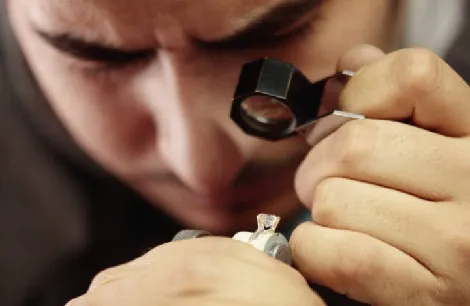
The Hidden Science Behind Diamond Quality
Diamonds are more than just pretty stones – they’re complex crystals with measurable properties. Every diamond has unique characteristics that can be measured, tested, and recorded. Lab Grown Diamond Jewellery Manufacturers understand this science deeply. They know that creating a beautiful diamond is only half the job. The other half is proving that the diamond meets strict quality requirements that customers can trust.
Think of it like buying a smartphone. The phone might look beautiful, but you want to know its specifications – the processor, camera quality, battery life. Diamonds work the same way. Behind every sparkling diamond is scientific data that proves its quality.
Why Lab Grown Diamonds Need Strict Quality Checks
Lab grown diamonds are created in controlled environments, not found in nature. This means every single diamond passes through several human-made processes. Each step in creation offers opportunities for mistakes or inconsistencies. This is why Lab Grown Diamond Jewellery Manufacturers must maintain strict quality checks at every stage.
When you grow a diamond in a lab, you can control the temperature, pressure, and time. However, even small variations in these conditions can affect the final diamond’s quality. Some diamonds might come out with slight color tints. Others might have tiny inclusions or imperfections. Manufacturers need to catch these issues and grade them accurately so customers know exactly what they’re buying.
Mined diamonds come from nature with their own variations, but lab grown diamonds require extra vigilance because customers sometimes worry about quality differences. By maintaining rigorous standards, Lab Grown Diamond Jewellery Manufacturers prove that their diamonds are just as good as mined ones.
The Testing Journey: From Creation to Your Hands

Every lab grown diamond goes through a multi-step testing journey before it reaches you. Let’s trace this path to understand how quality is maintained.
First, during the creation process, manufacturers monitor the diamond as it grows. They observe the conditions and take notes. When the diamond is finished growing, it goes to the cutting and polishing stage. Here, skilled artisans shape the rough diamond into the beautiful faceted stone you see in jewelry.
After cutting and polishing, the diamond goes through internal quality checks within the manufacturing facility. Workers examine it under microscopes and special lighting. They check for any problems – cracks, cloudiness, or poor cuts. If they find issues, the diamond might be recut or reclassified to a lower quality grade.
Only diamonds that pass these internal checks go forward to independent certification laboratories. At these labs, trained gemologists repeat the testing process using even more advanced equipment. They verify the cut quality, measure the exact color, look for inclusions, and weigh the diamond. This independent verification is crucial because it removes any bias from the manufacturer.
Finally, the certified diamond comes back with an official report. This report is your assurance that an unbiased expert has verified the quality. This entire journey, from creation to certification, is what makes Lab Grown Diamond Jewellery Manufacturers trustworthy.
Understanding Diamond Grading Systems
Diamond grading sounds complicated, but it’s actually quite logical. Laboratories use specific scales and systems to measure and compare diamonds fairly. These grading systems are standardized worldwide, which means a Grade D colorless diamond in America means the same thing as a Grade D diamond in India or Europe.
The color grading scale runs from D (colorless) to Z (light yellow or brown). Most people can’t see differences between colors in the D to J range without professional equipment. Colors K to Z show visible yellowing that even casual observers might notice.
Clarity grades range from FL (flawless) to I (included). Flawless diamonds have no inclusions visible even under a microscope. VS and VVS grades have inclusions so small that regular people can’t see them. SI grades have inclusions that experts can see under magnification but not with the naked eye. I grades have inclusions visible to the naked eye.
Cut grades are rated from Excellent to Poor. This measures how well the diamond’s facets are proportioned and aligned. A well-cut diamond returns more light to your eye, making it sparkle more brilliantly.
When Lab Grown Diamond Jewellery Manufacturers receive certification reports using these standardized grading systems, customers can confidently compare diamonds and understand what they’re paying for. The grading system removes guesswork and makes diamond shopping logical and fair.
Common Misconceptions About Lab Grown Diamond Standards
Misconception 1: Lab grown diamonds aren’t real diamonds. Actually, they’re 100% real diamonds with identical properties to mined diamonds. The only difference is where they came from – a lab instead of the earth. They score the same on hardness tests, have the same chemical composition, and are just as durable.
Misconception 2: Lab grown diamonds don’t need certification. This is wrong. Lab Grown Diamond Jewellery Manufacturers must certify their diamonds just like mined diamond sellers do. In fact, good manufacturers go even further with extra quality checks.
Misconception 3: Standards are weaker for lab grown diamonds. Standards are actually identical. The same testing organizations use the same equipment and methods for both lab grown and mined diamonds. There’s no separate, easier standard for lab created stones.
Misconception 4: You can’t trust lab grown diamond quality. Reputable manufacturers take quality incredibly seriously because they want to prove their diamonds are excellent. The certification system protects buyers from dishonest sellers, whether they sell lab grown or mined diamonds.
What Separates Good Manufacturers from Excellent Ones
Not all Lab Grown Diamond Jewellery Manufacturers maintain the same level of quality standards. Here’s what sets the excellent ones apart.
- Excellent manufacturers go beyond minimum requirements. While basic manufacturers might test diamonds only at the final stage, excellent manufacturers test repeatedly throughout the process. They invest in the best equipment, hire experienced quality control teams, and maintain detailed records of every diamond.
- Excellent manufacturers are transparent about their processes. They willingly explain how they create diamonds, how they test them, and why they maintain certain standards. They welcome customer questions and provide detailed information without being evasive.
- Excellent manufacturers have strong reputations and industry certifications. They’re members of professional organizations, hold ISO certifications, and have sustainable and ethical credentials. These memberships aren’t free – they require regular audits and compliance with strict rules.
- Excellent manufacturers back their diamonds with guarantees. They offer to replace or repair diamonds if problems emerge. This confidence comes from knowing their quality control is genuinely excellent.
When you buy from excellent Lab Grown Diamond Jewellery Manufacturers, you’re not just buying a diamond – you’re buying years of expertise, careful testing, and genuine commitment to quality. The price difference is often worth it.
How Certification Protects You as a Buyer
Certification might seem like just paperwork, but it’s actually powerful protection for you. Here’s how.
- First, certification proves authenticity. A certified diamond has been tested by experts who can verify it’s a real diamond. This protects you from fraud. Without certification, you’d have to trust the seller’s word, which isn’t reliable protection.
- Second, certification provides objective quality information. Instead of relying on one person’s opinion, you have detailed measurements and grades from an independent expert. This objective information helps you compare diamonds fairly and avoid overpaying.
- Third, certification documents the diamond’s characteristics forever. Even if you sell the diamond years later, the certificate travels with it. Buyers will trust the stone because they trust the certification.
- Fourth, certification protects the diamond’s value. A certified diamond retains its resale value much better than an uncertified one. If you ever need to sell, the certificate proves quality and helps you get fair market value.
- Finally, certification from reputable labs like GIA or IGI is recognized worldwide. Your diamond’s certificate will be accepted and respected anywhere. This international recognition makes certified diamonds more liquid – easier to buy or sell.
This protection is one of the biggest reasons why Lab Grown Diamond Jewellery Manufacturers and reputable jewelers insist on certification. It benefits everyone – manufacturers, jewelers, and most importantly, you.
Making Your Diamond Purchase with Confidence
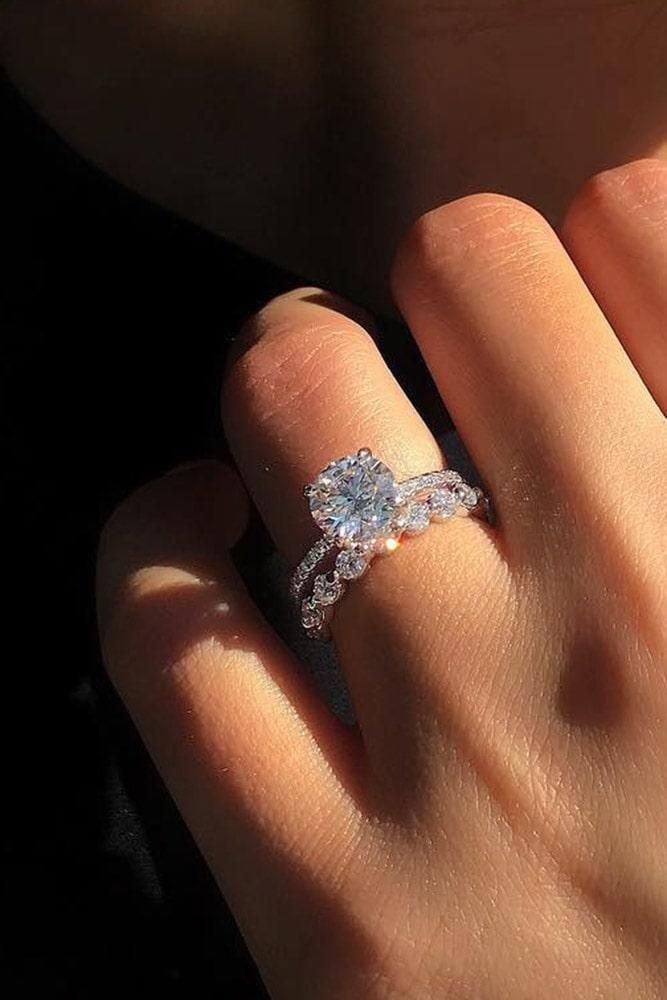
When you’re ready to buy lab grown diamond jewelry, here’s how to proceed with confidence. Always request a certification document before making any purchase. If a seller won’t provide one, walk away – this is a major red flag.
Study the certificate carefully. Understand what each grade means. Don’t get dazzled by the jewelry’s beauty and forget to check the actual quality grades. A beautiful-looking diamond with poor clarity or color grades might not be worth the price.
Compare multiple diamonds and multiple sellers. The same diamond specifications should cost roughly the same everywhere. If one seller is significantly cheaper, they might be selling lower quality stones or providing inaccurate information.
Ask detailed questions about the Lab Grown Diamond Jewellery Manufacturers and their process. Good sellers will explain their standards, quality control, and testing procedures without hesitation. They’ll provide information that backs up their claims.
Check the manufacturer’s credentials. Look for ISO certifications, industry memberships, and sustainability certifications. These formal credentials show they meet external standards, not just their own.
Finally, buy from sellers with good reputations and customer reviews. Real customer experiences tell you whether a manufacturer actually delivers on their quality promises.
Conclusion
Gemological standards are the foundation of trust in the diamond industry. They ensure that Lab Grown Diamond Jewellery Manufacturers create diamonds of consistent quality and that buyers receive fair value for their money. These standards represent decades of research and expert knowledge that protects both the industry and customers.
When you purchase a certified lab grown diamond, you’re getting far more than just a beautiful stone. You’re getting scientific verification of quality, protection from fraud, and assurance that your purchase will hold its value. Lab Grown Diamond Jewellery Manufacturers that maintain strict gemological standards deserve your trust and business. The next time you shop for diamond jewelry, remember that those certification documents represent real quality and real peace of mind.
At Auramentwholesale, explore our stunning collection of certified lab grown diamonds and jewelry. Our expert team maintains the highest gemological standards and is ready to help you find exactly what you’re looking for. We offer transparent pricing, detailed certifications, and exceptional customer service. Explore the Auramentwholesale difference – where quality, trust, and beauty come together.